just a carb
Carbs are fuel.
Carbs are one of your body's main sources of energy. A 5.3 oz serving of potato brings 26 g, plus potassium, vitamin C and fiber.2
one vegetable,
a lot going for it

about those carbs
Potatoes get called "just a carb" a lot. We know them better than that.
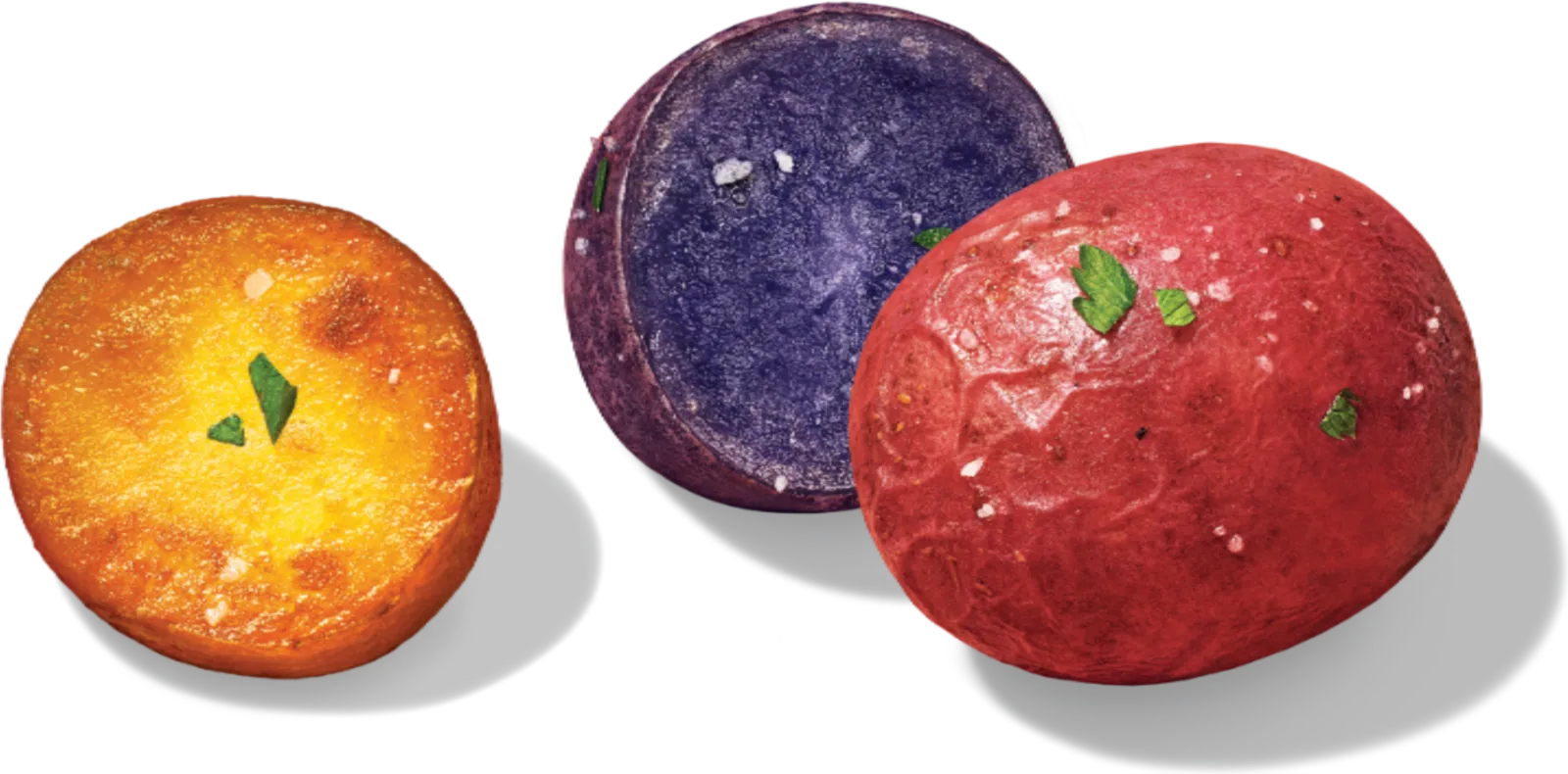
the overlooked stuff
How we measure
The numbers below use a standard 5.3 oz (148 g) serving of potato, the FDA reference. For Digs-specific nutrition, check the label on each bag.
just a carb
Carbs are one of your body's main sources of energy. A 5.3 oz serving of potato brings 26 g, plus potassium, vitamin C and fiber.2
one vegetable,
a lot going for it
just a side
In a study of equal-calorie portions of 38 common foods, boiled potatoes had the highest satiety score. More than 3x white bread.1
a little more potato.
a little less snack hunting.
a banana thing
Potassium helps your muscles and nerves do their thing. A 5.3 oz serving of potato has 620 mg. A medium banana? Around 450 mg.2
not a competition.
but still.
just starch
Yep, potatoes have vitamin C, which helps your body make collagen and supports normal immune function.2
oranges aren't
the only ones.
just the wrapper
Much of a potato's fiber is in and just under the skin. Plus, crispy potato skin? Enough said.2
keep the
skin on
just leftovers
When cooked potatoes cool, some of their starch becomes resistant starch, a type of starch that acts more like fiber in your gut. Research has found more of it in chilled potatoes than the same potatoes served hot.3
potato salad,
we see you
now you know
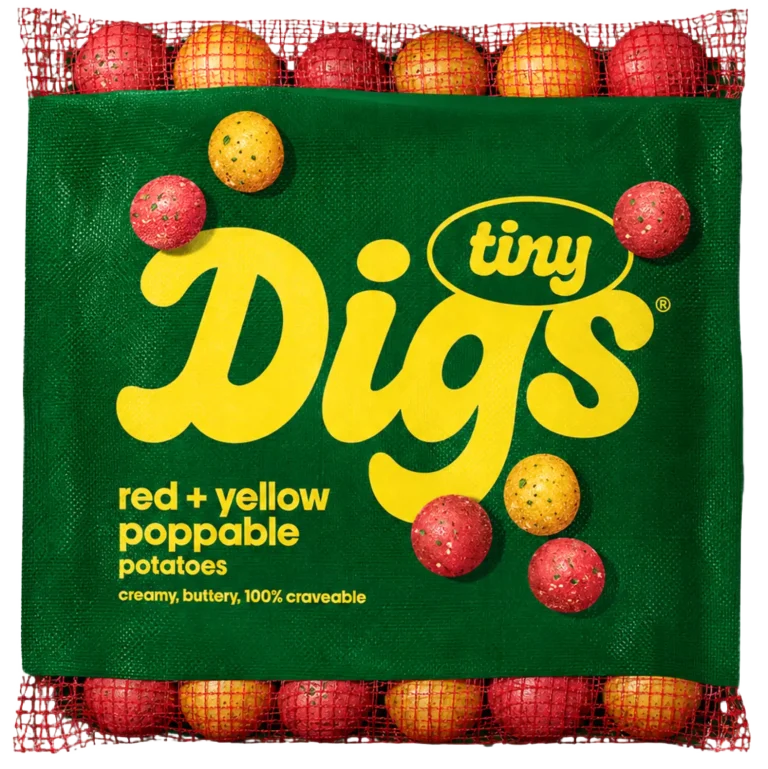
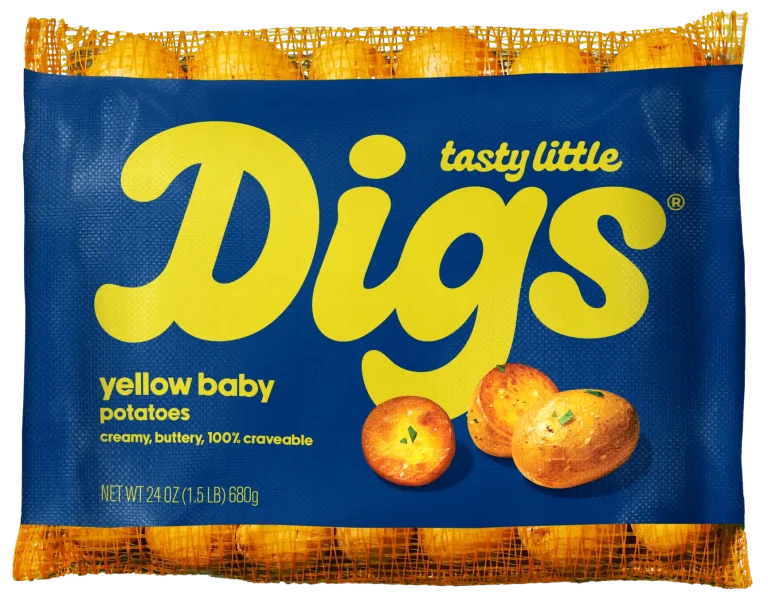
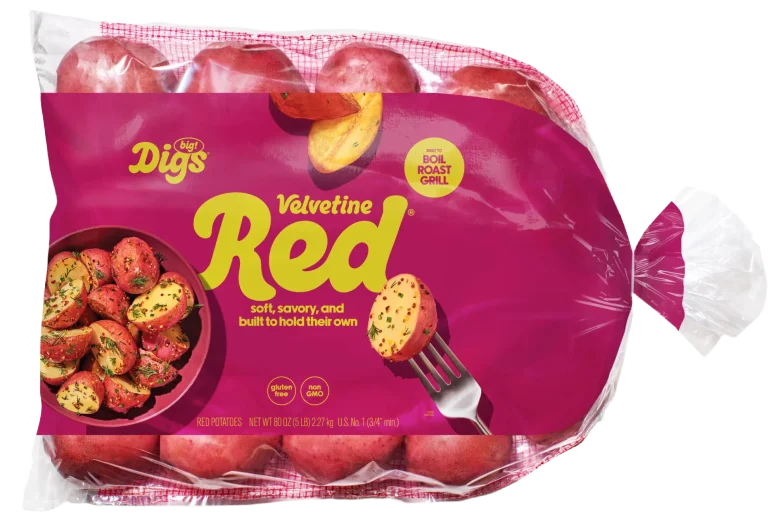
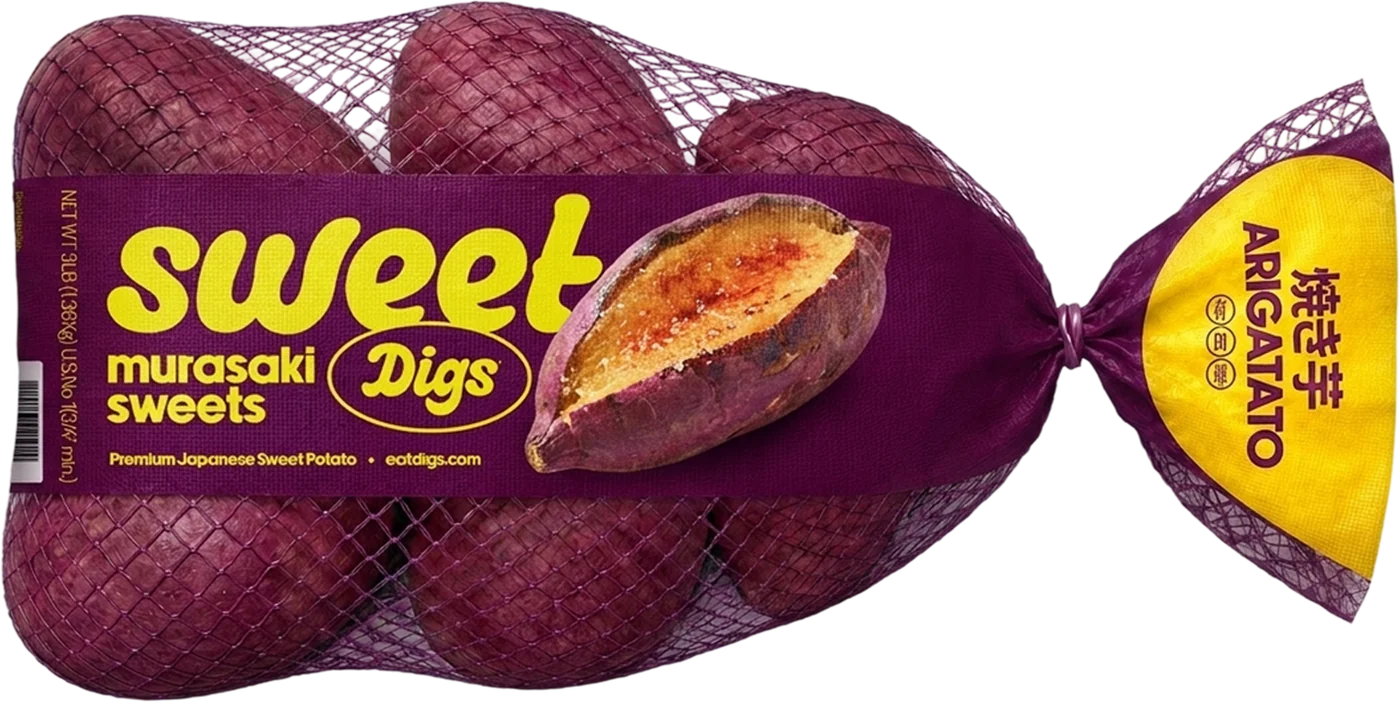
Tiny, little, big and sweet. However you like them, there's a Digs for that.
[1] Holt SHA, Brand Miller JC, Petocz P, Farmakalidis E. "A satiety index of common foods." European Journal of Clinical Nutrition, 1995;49(9):675–690.
[2] U.S. Food and Drug Administration. Nutrition Information for Raw Vegetables. Potato, 148 g (5.3 oz) serving.
[3] USDA Agricultural Research Service. "Resistant starch analysis of commonly consumed potatoes: content varies by cooking method and service temperature but not by variety." Food Chemistry, 2016.